How to Capture the Untamed Beauty of South America from Australia

Preparing for the Journey
When setting out to film the unexplored terrains of South America, it’s crucial to hone in on the perfect spots. Based in Melbourne, my career has been profoundly influenced by inspirations drawn from the Royal Botanic Gardens Victoria. Here, the array of flora often reminds me of the rich biodiversity awaiting capture in distant lands. One must thoroughly research potential filming sites to ensure an impactful narrative.
Undertaking an Africa safari, or opting for structured Africa tours can serve as enriching preparatory experiences. Such ventures offer insights into navigating unfamiliar territories and understanding international wildlife conservation efforts. Before any expedition, securing the necessary permits and permissions is crucial. This may require liaising with both Australian and local authorities in your chosen filming location.
Connecting with local experts can significantly elevate your project. Their insights are invaluable, ranging from cultural knowledge to details about specific wildlife species. When planning expeditions like a Galapagos cruise to capture South America's vibrant biodiversity, these connections make logistical planning smoother, giving you the opportunity to focus on crafting compelling stories.
By integrating these steps into your preparatory routine, you'll be better equipped to uncover and document the untamed beauty of your subject. This groundwork lays a solid foundation for any wildlife documentary, ensuring both ethical awareness and precision in storytelling.
Choosing the Right Gear
Essential Filmmaking Equipment
In the world of South America tours, essential filmmaking equipment can make or break your creative vision. For those looking to capture the bustling biodiversity and sweeping vistas, gear like the Sony A7 III or Canon EOS R5 is invaluable. Both cameras offer superb image quality and versatility that match well with the demands of outdoor filming. Traveling to South America with sturdy tripods and lightweight gimbals ensures smooth shots, even in the most unpredictable environments. Remember that good lenses matter too, so pack a diversity of focal lengths to adapt to various scenes and subjects.
Recommended Wildlife Photography Tools
Wildlife photography on South American tours can be especially rewarding, provided you have the right tools. A high-zoom lens, such as a 100-400mm or an even more extensive telephoto option, is essential. Additionally, a durable camera bag with compartmentalised storage can protect your valuable gear, ensuring it remains in optimal condition throughout your journey. Investing in a quality flash and accessories like diffusers can enhance your photos under diverse lighting conditions.
Gear Maintenance Tips
Keeping your gear in prime condition is crucial for any enduring adventure. Regularly clean lenses to avoid dust and grime buildup, which is especially necessary in humid or sandy areas commonly encountered on South Africa tours. Pack silica gel packs to absorb moisture and prevent mould. Check batteries frequently and carry backups to avoid missing that crucial shot. A yearly service at a skilled repair shop, like those near Melbourne Zoo's conservation programs, can also help keep your equipment in top shape.
Navigating Logistics
Planning Travel and Lodging
When embarking on an African safari or a South America travel expedition, meticulous planning of travel and lodging is crucial for a seamless experience. I recall a trip to the Amazon, where thorough preparation was key to capturing the untouched splendour of this vibrant environment. My first tip: always book accommodations well in advance, especially near popular filming sites. Consider eco-friendly lodges that support local communities and conservation efforts, as these can provide both comfort and a sustainable travel experience.
Understanding Local Transport Options
Understanding the nuances of local transport can significantly impact your filming schedule. During a visit inspired by wildlife photography exhibits at the National Gallery of Victoria, I learned that hiring local guides who are familiar with the terrain offers an insider's view while ensuring safety and efficiency. Whether navigating the dense rainforests or traversing the sprawling Pampas, consider eco-friendly transport modes that align with your environmental goals. This choice not only limits your footprint but also supports local economies.
Health and Safety Precautions
Prioritizing health and safety is non-negotiable in these remote and sometimes unpredictable regions. It's imperative to consult a travel health specialist before your journey to secure necessary vaccinations and health advice. Carry a well-stocked first-aid kit tailored to the specific risks of your destination, and ensure your travel insurance covers emergency situations. By preparing for these contingencies, you can focus on what truly matters—immersively capturing the essence of these awe-inspiring landscapes.
Filming Techniques
Capturing Unique Wildlife Shots
In my experience as a wildlife filmmaker, capturing the untamed beauty of creatures in their natural habitat requires patience and meticulous planning. While on South America holidays, I focus on blending into the environment, allowing the wildlife to behave naturally. Utilizing stationary long-range lenses is beneficial, enabling me to maintain a respectful distance without sacrificing detail. For me, each shot is about storytelling—highlighting the interactions and surroundings that define each species’ existence.
Techniques for Vast Landscapes
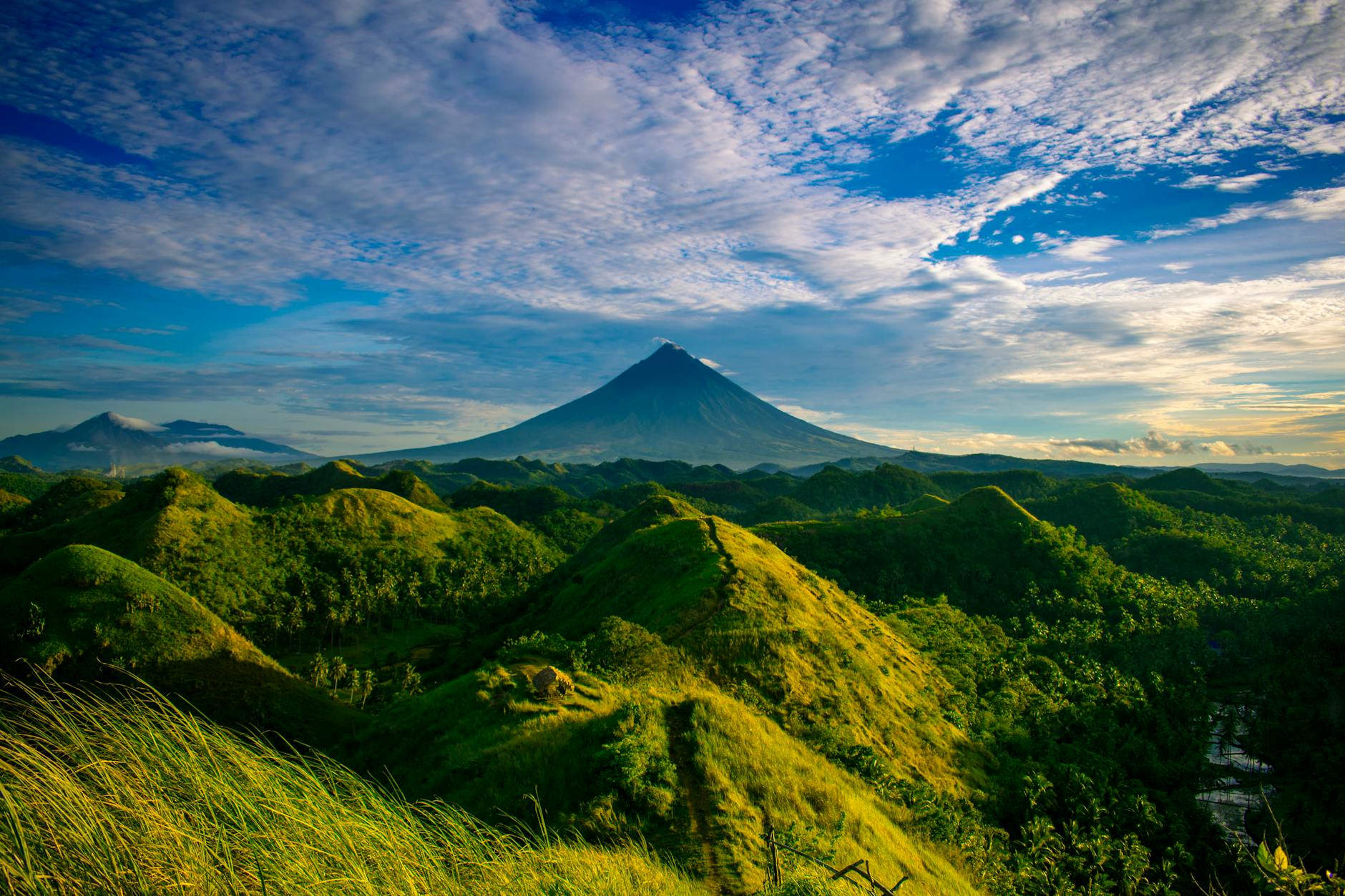
Having filmed in varied terrains, from African savannahs on African tours to the rolling hills of South America, I've learned that conveying the grandeur of landscapes demands a keen eye for light and composition. Dawn and dusk are the moments when the landscapes are painted with the most dynamic colours. Incorporating aerial shots with drones can offer perspectives that elicit awe and enhance narrative depth. When in the field, I often think back to exhibitions at the National Gallery of Victoria, which inspire me to capture the essence of these vast spaces with every frame.
Adapting to Weather Conditions
Filming in diverse climates taught me the unpredictable nature of Mother Earth. Regardless of forecasts, I always prepare for sudden changes in weather. Waterproof equipment, protective covers, and adaptive filming techniques become indispensable tools in such conditions. I've had instances where unexpected rain transformed a scene, offering a unique narrative of survival and dynamism. Each frame becomes a testament to the resilience of both the filmmaker and the majestic environment being captured.
Embracing Conservation in Filmmaking
Ethical Filmmaking in the Wild
In my journey as a filmmaker, particularly during my time with projects reminiscent of those found in the National Gallery of Victoria's wildlife photography exhibits, I’ve lived by one credo: ethics over everything. Respect for the environment and its inhabitants is paramount. As we stand in awe of the majestic jaguars and vibrant toucans, we must remember our presence is a temporary intrusion. To maintain their natural behaviors, I often use long zoom lenses, allowing me to capture stunning close-ups without disturbing their habitat. It's similar to how the Melbourne Zoo's conservation programs operate—people and animals share a space harmoniously.
Fostering Cultural Connections
While in South America, much like Melbourne, it's vital to immerse ourselves in local cultures. Through the lens of my camera, I’ve woven tales of indigenous communities whose lives intertwine with nature. Engaging with these communities respectfully, drawing parallels with our Indigenous stories from the Royal Botanic Gardens Victoria, paved the way for connections that enriched both my films and personal growth.
Honoring Leave-No-Trace Principles
I learned early on that what we take from nature should be intangible—memories, images, inspiration—and what we leave behind is nothing. Adhering to the Leave-No-Trace principles is inherent in everything I do, just as it guides those who wander through Melbourne’s lush parks. Our footsteps should be as gentle as our intentions, ensuring that South America's untamed beauty, much like our cherished landscapes back home, remains unspoiled for generations to come.